
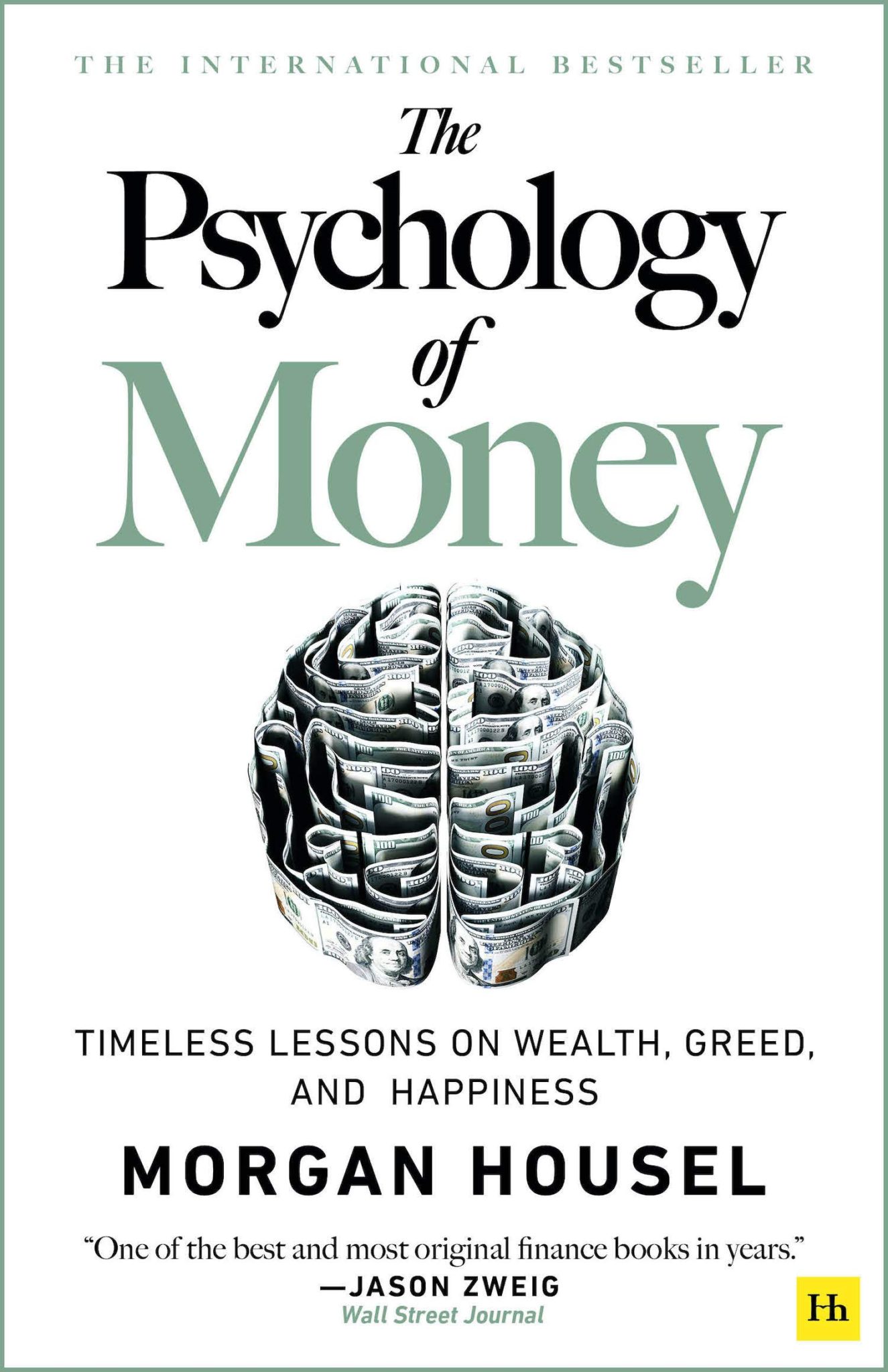
This piece is inspired by The Psychology of Money by Morgan Housel, a book that helps us understand how money is connected to our thoughts, feelings, and choices. It is not about getting rich fast or learning fancy investment tricks. It is about how to live peacefully and use money in a way that supports the life we truly want.
Everyone has their own story with money. For some, money means safety. For others, it means freedom or success. But money should not make us restless or anxious. It should help us live with calm and clarity.
Knowing What You Really Need
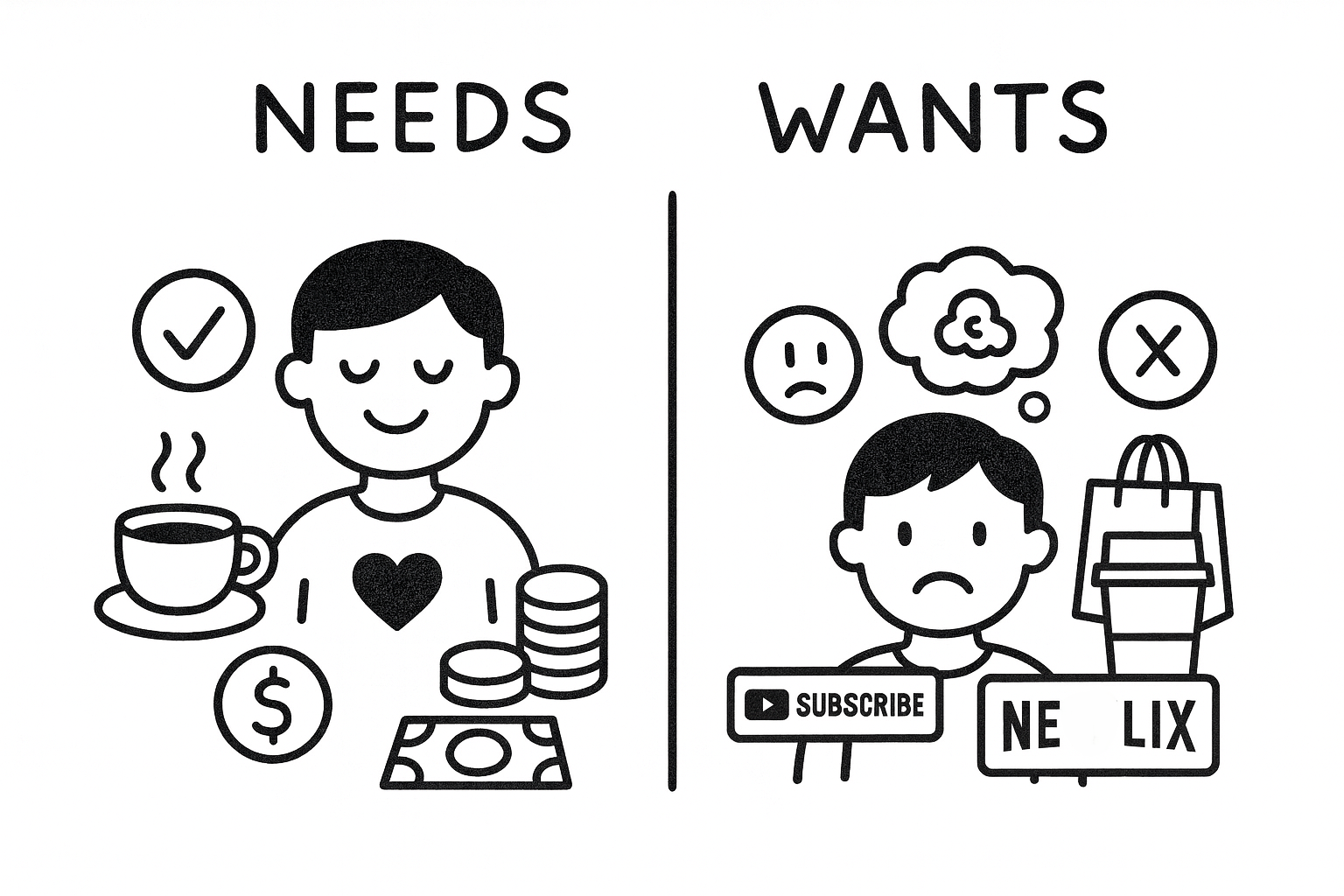
Sometimes we think we need something when we actually just want it.
A new phone, a better car, a nice coffee, new clothes. They feel good for a moment, but they are not true needs. They are wants that give us short comfort and fade away quickly.
Morgan Housel reminds us that people are not unhappy because they have too little, but because they always want more.
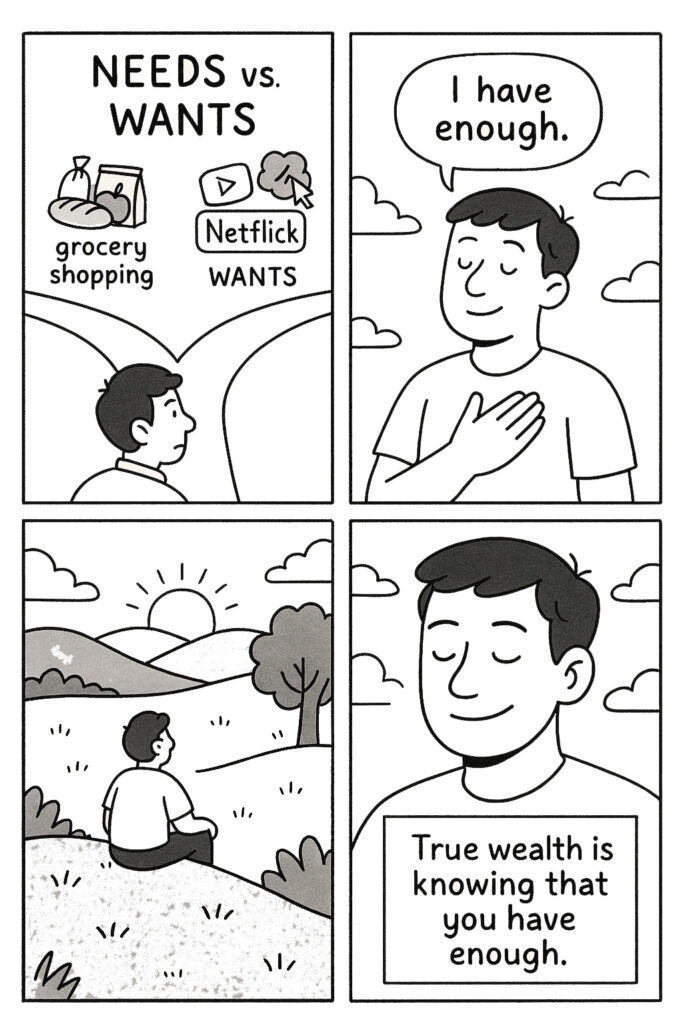
The hardest skill is knowing when to say, “This is enough.”
True happiness does not come from having everything. It comes from knowing when to stop chasing what you do not need.
When you can separate your needs from your wants, you will start to use money with purpose. You will no longer spend to impress others, but to support the things that really matter to you.
Money and Emotions
Money is emotional.
We spend when we are tired, stressed, or lonely. We buy things not always because we need them, but because we want to feel better or to look successful.
Housel says that no one is crazy with money. Everyone makes financial choices based on their own experiences and fears.
But when emotions take over, we start to lose direction.
We use money to escape, not to build peace. And when the moment ends, the emptiness often returns.
Learning to use money wisely means learning to understand yourself first.
If you can find peace within, you will not need to buy it from the outside.
The Power of Time
Housel teaches that wealth grows through patience and time.
He shares the story of Warren Buffett, who built most of his fortune after the age of fifty. His success was not luck. It was the result of consistency and patience.
The same rule applies to life. Big results come from small habits repeated over a long period of time.
Patience is quiet strength. You do not have to rush. You just have to keep going.
Slow progress is still progress, and it often lasts longer than anything that comes too quickly.
Money as Freedom
The best thing money can give is not luxury but choice.
Freedom to do what you love, to rest when you need to, and to spend time with people who truly matter.
Money should make your life lighter, not heavier.
But many people lose that freedom when they earn more.
They buy more, spend more, and work harder to keep up with a lifestyle that no longer brings peace.
In the end, they do not own their money. Their money owns them.
Using money wisely means letting it serve your values, not your ego.
It means choosing simplicity over show, and peace over pressure.
The Illusion of Comfort
Not everything that feels good is good for you.
Some people use money, entertainment, or even unhealthy habits to escape their emotions. It may bring comfort for a short while, but it never lasts.
When the feeling fades, the emptiness returns.
Real peace comes from self-control. It means choosing joy that lasts longer than a few minutes.
You can still enjoy life, but do it with awareness.
Spend on things that give meaning, not just on things that silence your thoughts for a moment.
The People Around You Matter
The environment you live in has a strong influence on how you think about money.
If you are surrounded by people who always want more, you may feel pressured to spend more just to keep up.
But if you are surrounded by people who live simply and focus on what truly matters, you will feel calmer and more content.
Friends quietly shape your habits. When you are around people who value learning, kindness, and gratitude, you naturally become more mindful too.
When you are around people who compete or compare, you start to measure your worth by the wrong things.
The people around you can either help you grow or push you into constant comparison.
Choose those who remind you to be grateful, not those who make you feel like you are never enough.
Your surroundings are part of your financial environment too. A peaceful space and supportive people make it easier to live wisely and stay true to your values.
In the End
The Psychology of Money is not really a book about money. It is a book about life.
It reminds us that being good with money is not about being rich. It is about being calm, grateful, and in control.
Money is important, but it is not everything.
True wealth is being able to live freely, sleep peacefully, and make choices that match your values.
To use money wisely is to live simply, to know your limits, and to appreciate what you already have.
In the end, the best thing money can buy is not more things, but time, peace, good friends, and the freedom to live in your own way.
Leave a Reply