Perspective
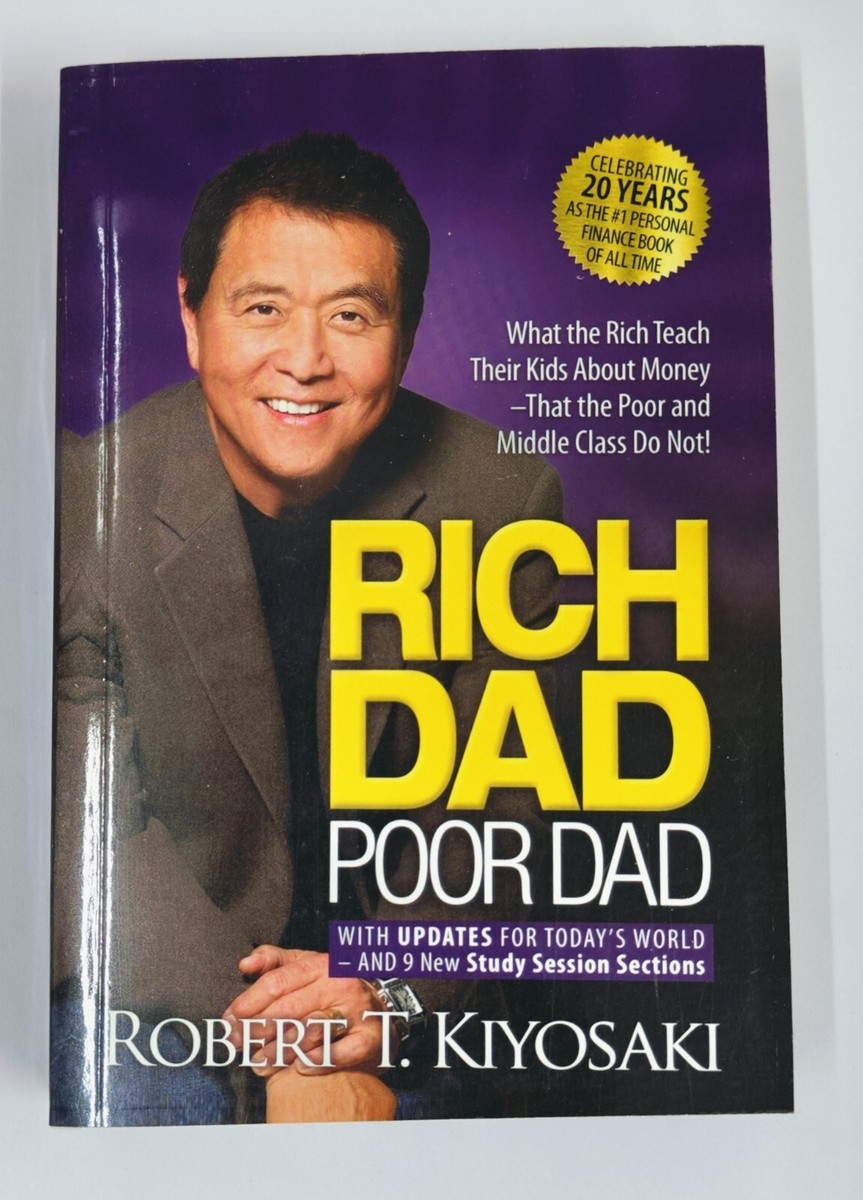
Some time ago, I picked up Rich Dad Poor Dad by Robert Kiyosaki. At first, I was simply curious about how people could become wiser about money. But as I turned the pages, I realized the book was not just about finances. It was about perspective. It quietly changed the way I think about money, success, and even life itself.
There are many simple lessons in it that made me stop and rethink what it really means, what it means to have enough, and how we choose to live with what we have.
Understanding Wealth
Everyone sees money differently. Some treat it as a goal, others as a tool, and some as a responsibility. Kiyosaki says that real wealth is not about how much you make, but about how wisely you manage what you have.
We often believe that happiness comes from having more. Yet the truth is, the more we have, the more we tend to want. That is why Kiyosaki emphasizes the importance of understanding the difference between assets and liabilities. Assets add value to your life and bring in income, while liabilities quietly take away what you already own. The tricky part is that many of us mix them up. We buy things thinking we need them, when in fact, we simply want them.
Between Needs and Wants
He introduces a simple idea that has changed how many people see wealth: an asset puts money into your pocket, while a liability takes money out. But too often, we blur the line. We buy a fancy car or the newest gadget and call it an investment, even though its value drops the moment we use it.
This is where many of us get lost between our needs and wants. We convince ourselves that something is necessary when it is really just desire in disguise. A Netflix subscription, dinner at a nice restaurant, or that tempting sale all feel reasonable in the moment. But slowly, these habits chip away at our financial balance.
We need food to live, but it does not have to come from expensive places. We need entertainment to relax, but that does not mean we must subscribe to every streaming service available. The key is knowing when to stop and when to say, “This is enough.” Learning to hold back is not about denying ourselves. It is about recognizing what truly matters.
True Wealth and Contentment
Kiyosaki also reminds us that wise people do not just work for money; they learn how money works for them. Every experience can be a lesson, whether it comes from a job, a small side hustle, or even from past mistakes. Once we understand that, we no longer fear not having enough because we know how to make money move with purpose.
Contentment is one of the rarest forms of wealth. It appears when we stop comparing ourselves to others and start appreciating what is already in front of us. Life is not about who gets there first. It is about who can stay calm and grounded along the way.
Having money is not just about numbers. It is about living without constant worry. Financial freedom is not about quitting work; it is about having the freedom to choose how you want to live. In the end, peace does not come from how much we own, but from how deeply we feel that what we have is enough.
Leave a Reply