
Book Title: Mindset: Changing The Way You Think To Fulfil Your Potential (Updated Edition)
Author: Carol S. Dweck
Year: 2017
Carol S. Dweck is an American psychologist best known for her groundbreaking research on mindset, motivation, and personality development. She is a Professor of Psychology at Stanford University and one of the world’s leading researchers in the field of motivation and learning.
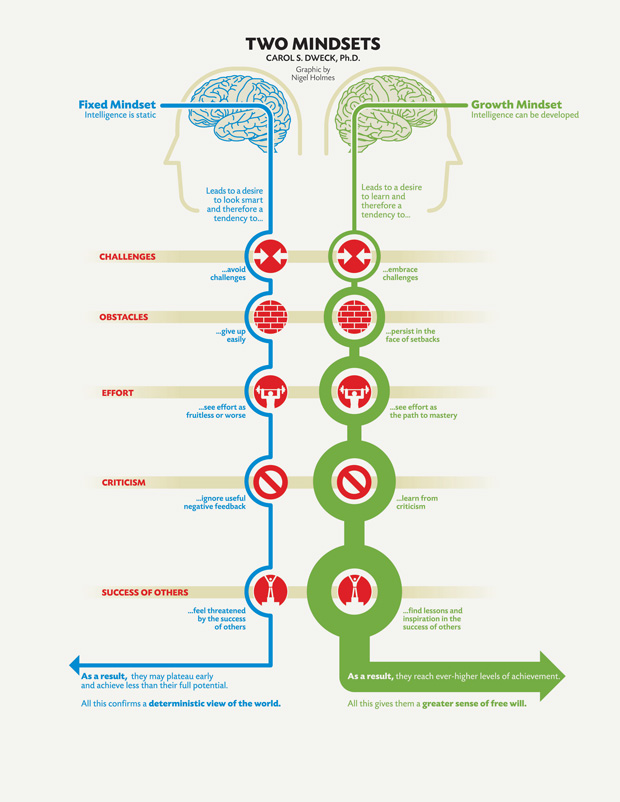
In her book Mindset, psychologist Carol S. Dweck shares a powerful idea: what you believe about yourself shapes what you can achieve. Some people have a fixed mindset and think their talents or intelligence cannot change. People with a fixed mindset see their abilities as set in stone. Others have a growth mindset and believe they can always get better through effort and learning. That small shift in belief can make a big difference in how we face life.
Dweck’s stories from school, sports, and work show that real success comes from persistence, not perfection. When we stop worrying about proving how good we are and start focusing on getting better, we open the door to endless possibilities. Growth is not about being perfect; it is about showing up, learning, and improving a little more each day. There are some key points we can learn from this book.
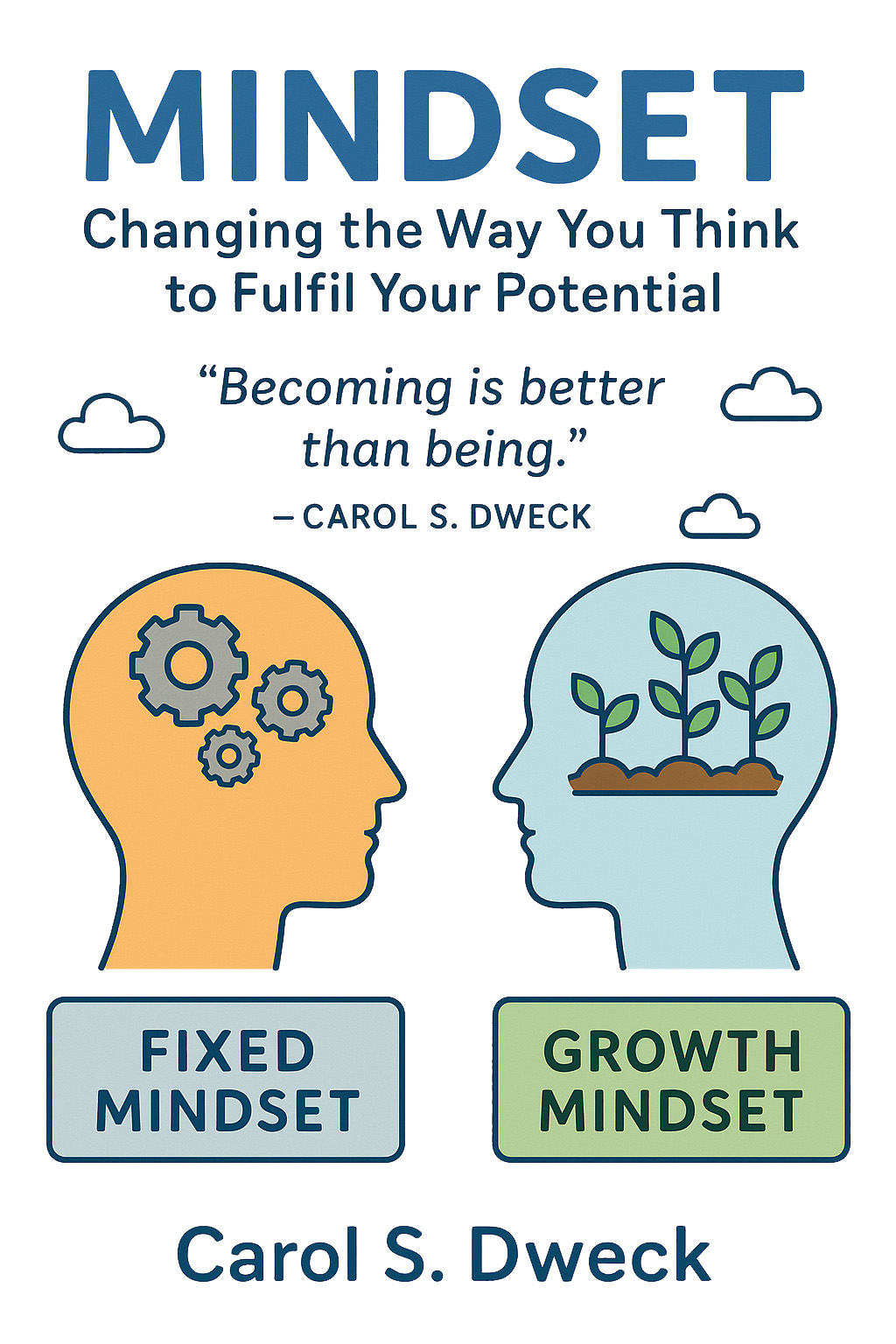
“Becoming is better than being.” – Carol S. Dweck
Carol Dweck’s Mindset begins with a simple yet powerful idea: what you believe about yourself determines how far you can grow. Every thought, decision, and reaction to failure is shaped by that belief. Dweck explains that people live from two kinds of mindsets: the fixed mindset and the growth mindset. Those with a fixed mindset believe their intelligence and talent are unchangeable. They fear mistakes because failure, to them, means they are not good enough. In contrast, people with a growth mindset see abilities as qualities that can be developed. They welcome challenges, keep learning, and see effort as the key to mastery.
This simple shift in belief transforms how we live. When you stop focusing on proving yourself and start focusing on improving yourself, you open the door to endless potential. Dweck reminds us that growth is not a trait, but a choice we make every day.
Lessons from School, Sports, and Business
“Effort is what ignites ability and turns it into accomplishment.” – Carol S. Dweck
Dweck’s message comes to life through stories from classrooms, sports arenas, and workplaces. In school, students with a growth mindset view mistakes as part of learning. They persist through challenges and see effort as a path to success. Teachers who understand this can change lives by praising progress and strategies, not just intelligence.
In sports, athletes like Michael Jordan and Serena Williams are prime examples of this mindset. They were not simply born champions. They trained harder, failed often, and learned deeply from their losses. What separates them is not talent, but the belief that they could always get better.
The same applies to business. Growth-minded leaders create workplaces where curiosity and innovation thrive. Instead of punishing mistakes, they turn them into lessons. Companies that value learning over perfection continue to evolve, while those trapped in the fixed mindset often fall behind.
Mindset in Relationships and Daily Life
“In the fixed mindset, everything is about the outcome. In the growth mindset, it’s about what you learn along the way.” – Carol S. Dweck
Our mindset does not only affect how we learn or work. It also shapes the way we love, communicate, and grow with others. Dweck shows that relationships, whether with family, friends, or partners, often reveal how we truly think about growth. When someone has a fixed mindset, they may see problems as proof that something is wrong. A simple misunderstanding can feel like rejection, and criticism can feel like a personal attack. The fixed mindset turns relationships into silent competitions where each person wants to be right instead of understanding the other.
Those with a growth mindset view relationships differently. They treat every challenge as a chance to grow closer. Instead of turning arguments into battles, they focus on listening, learning, and finding the solution. They know that trust, love, and respect are not things you either have or lose, but things you build through patience and empathy. In this mindset, even difficult moments become lessons about compassion and resilience.

Dweck also speaks to parents, teachers, and mentors who play an important role in shaping how others see themselves. She reminds us that the words we choose can build or break confidence. Saying “You are so smart” sounds kind but teaches that worth depends on being right. Saying “You worked really hard on that” shifts the focus to effort and perseverance. This small difference nurtures a mindset that values progress over perfection.
It all begins within ourselves. When we think, “I cannot do this,” we can add one small but powerful word: yet. Saying “I cannot do this yet” transforms frustration into hope. It reminds us that growth is not about where we are now but where we are willing to go. Every word we speak, both to others and to ourselves, can either limit or expand our potential.
Embracing Real Growth
“It’s not about immediate perfection. It’s about a commitment to growing, learning, and becoming better.” – Carol S. Dweck
In her updated edition, Dweck warns about what she calls the “false growth mindset.” This happens when people say they believe in growth but avoid hard work, discomfort, or reflection. True growth requires honesty and patience. It is about admitting weaknesses, learning from criticism, and continuing even when progress feels slow.
Dweck reminds us that everyone has both mindsets inside them. Sometimes we are open to learning, and sometimes we fall into the trap of fear and self-judgment. The key is to recognize those moments and choose to grow anyway. Each time we do, we strengthen our belief in ourselves.
Mindset closes with a hopeful message: growth is not a destination but a journey. Success does not come from avoiding failure but from transforming it into fuel. Real fulfillment begins when we stop trying to be perfect and start trying to be better.
Leave a Reply