
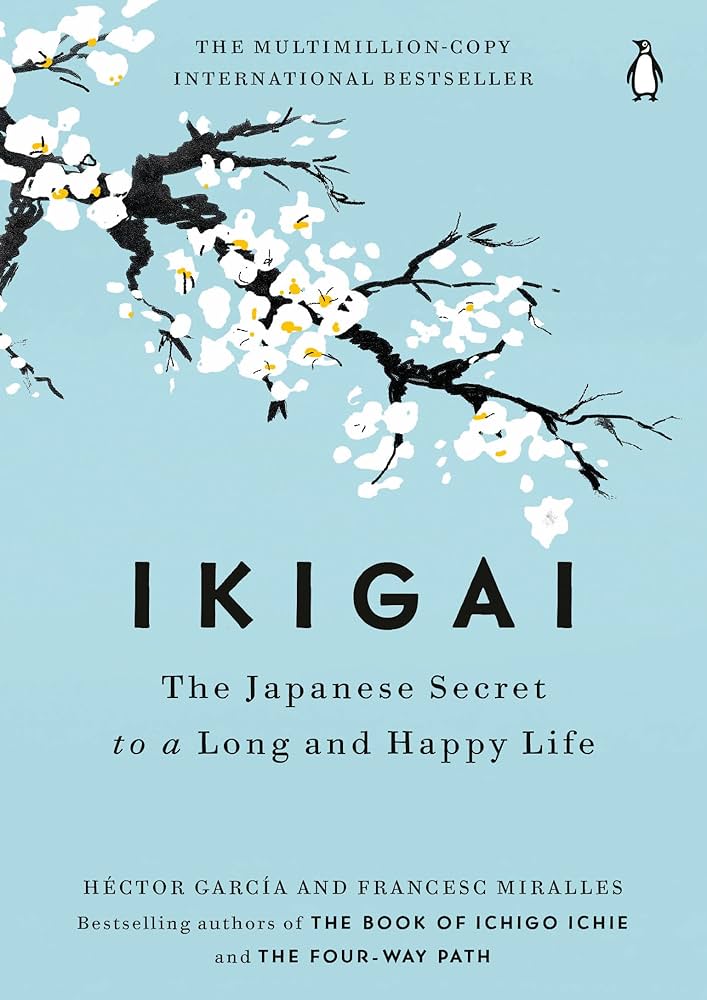
Title: Ikigai: The Japanese Secret to a Long and Happy Life
Authors: Héctor García & Francesc Miralles
Year: 2016
The Quiet Power of Ikigai
When I finished reading Ikigai: The Japanese Secret to a Long and Happy Life by Héctor García and Francesc Miralles, it did not feel like reading a typical self-help book. It felt more like listening to a calm voice that gently reminded me to slow down and look at life differently. The story begins in Japan, where people live long, peaceful lives and seem to move through each day with purpose.
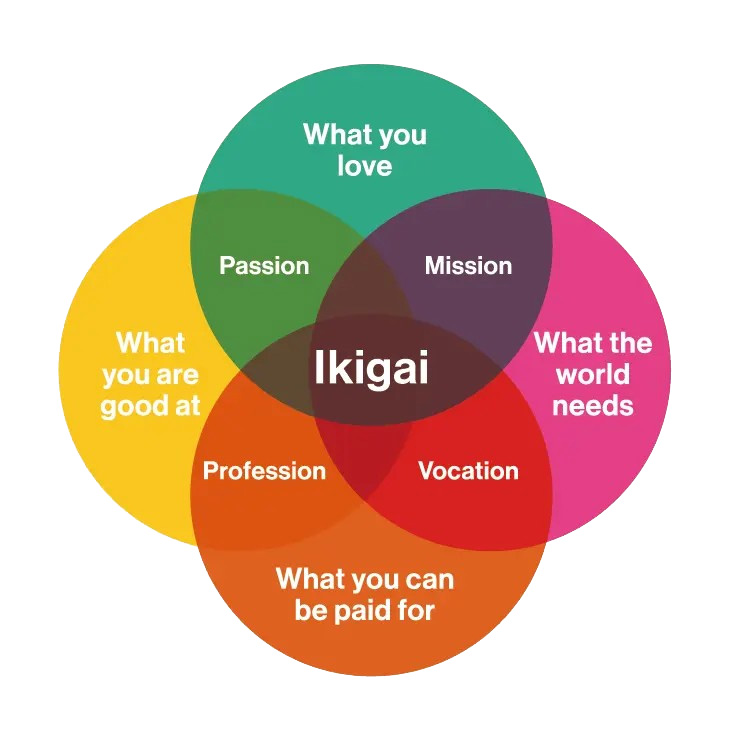
The authors describe ikigai as the reason you wake up in the morning. It is the meeting point between what you love, what you are good at, what the world needs, and what can sustain your life. Discovering this balance takes time and reflection, but once found, it gives a quiet strength to keep going.
“Those who discover their ikigai have everything they need for a long and joyful journey through life.”
Reading that line made me realize that happiness might not come from achieving more, but from understanding what truly gives life meaning.
Okinawa and the Joy of Everyday Life
One of the most inspiring parts of the book is the story of Ogimi, a small village in Okinawa known for its long-living residents. The authors visited this place and met people who live beyond a hundred years. What they found was not a secret medicine or a perfect diet but a way of life filled with connection, movement, and gratitude.
People in Ogimi wake up early, share breakfast with neighbors, and spend their days gardening, sewing, or walking by the sea. They stay active in both body and mind, finding purpose in contributing to their families and communities. Most of them never think about retirement because they believe that as long as they can move, create, and help others, life still has meaning. Their happiness comes from staying engaged with the world around them, not from withdrawing from it.
“They stay busy doing the things they enjoy, surrounded by people who care about them.”
Reading this part reminded me that joy is not found in doing nothing, but in doing something that matters.
Lessons on Balance and Simplicity
The book reminded me that the key to a good life is balance. The people of Okinawa follow hara hachi bu, a simple habit of eating until they are eighty percent full. It teaches them moderation and mindfulness, leaving space not only in the stomach but also in the heart.
They believe that staying active is part of staying alive. Movement is a form of gratitude toward the body. Even in their nineties, many of them read, paint, or teach. Their curiosity never fades, and that spirit keeps them young.
“A busy mind and a light spirit are the best medicines for a long life.”
That sentence stayed with me. It made me reflect on how often I rush through my meals or my thoughts, forgetting to enjoy the small and ordinary moments that actually make life rich.
Embracing Imperfection and Living Slowly
The final chapters speak about wabi-sabi and ichi-go ichi-e. The first means finding beauty in imperfection. The second reminds us that every meeting happens only once and should be treasured. These ideas are at the heart of Japanese wisdom.
To live with ikigai is to live fully in the present. Life does not have to be perfect to be meaningful. Every scar, every mistake, and every fleeting moment adds depth to our story.
“The purpose of life is not to be in a hurry. It is to enjoy the moment you are in.”
When I closed the book, I felt calm. It reminded me that the purpose of living is not to reach something far away but to appreciate what is already here. Ikigai is not about chasing success. It is about finding peace in what we already have, in what we do, and in who we are becoming.
Leave a Reply